
How Arrest Warrants Work in McMullen County
Texas law treats an arrest warrant as a written order from a magistrate. It tells an officer or named person to arrest someone and bring that person into the legal process. The process starts with a complaint alleging an offense, plus facts that support probable cause. A warrant is not the same thing as a missed-court capias or a traffic FTA report, even though callers say "warrant" for all of them. In McMullen County, felony matters generally route through one of three shared District Courts. The county posts no public arrest-warrant search, no warrant unit, and no local bond schedule. So the first move is plain: identify the court and case, then ask the McMullen County sheriff whether its office holds the order or merely serves it.
Chapter 15 and McMullen County Arrest Warrants
Chapter 15 of the Texas Code of Criminal Procedure governs arrest-warrant procedure across the state, including McMullen County. The complaint must identify the accused if known, or describe the person with reasonable certainty. It must allege an offense, state the time and place as clearly as possible, and carry the affiant's signature. A magistrate then reviews the complaint and decides whether the legal requirements are met. County web pages do not name which magistrate is assigned at a given time. The statutory process is statewide, but local routing still matters in McMullen County. A court clerk can identify the cause number and court, while an officer or the sheriff can say whether the agency is involved in execution. The official statute and the county court contacts serve different purposes, so use each for its own record. For access rules, the Texas Judicial Branch open-records policy spells out what the public may reach.
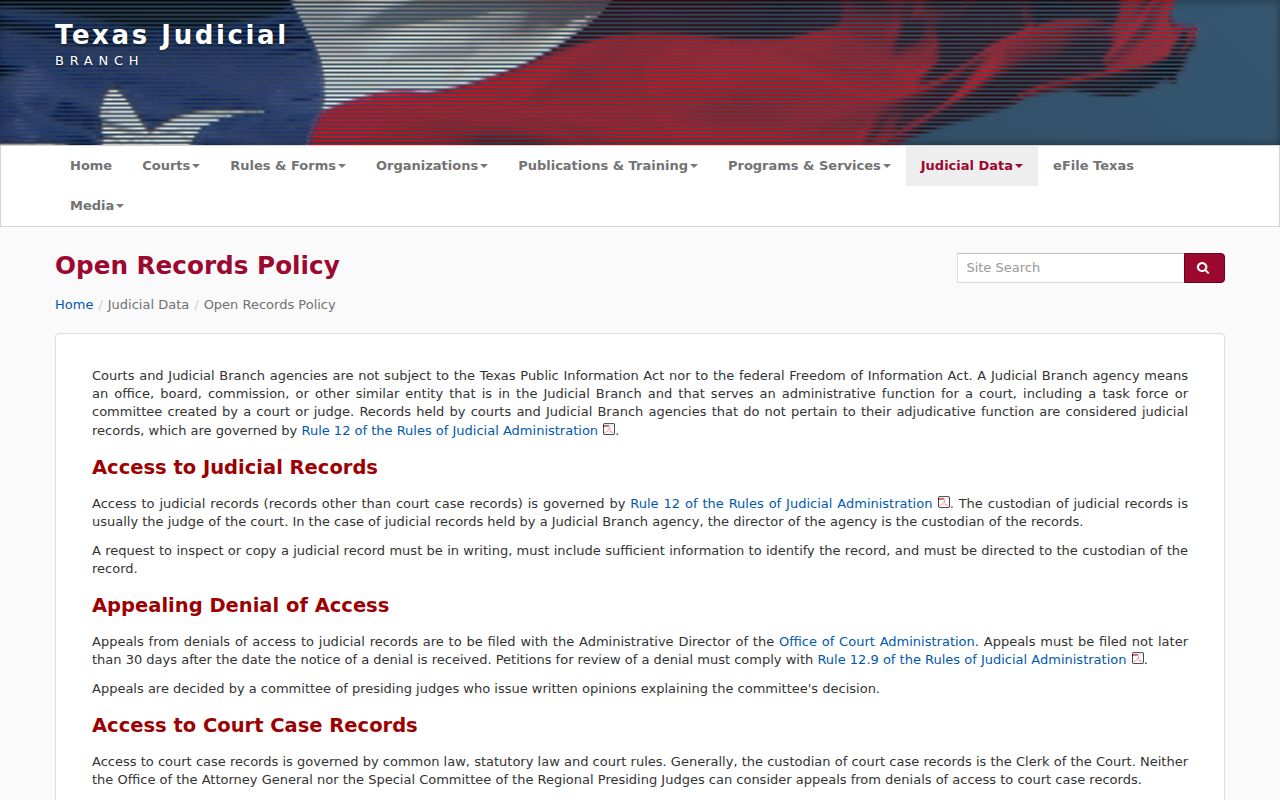
Texas Judicial Branch guidance notes the public-access rule for an arrest warrant and its supporting affidavit in McMullen County, subject to other law.
Arrest Warrants: What They Contain
McMullen County publishes no sample warrant. A court record, though, may carry identifying details, the case number, issuing court, offense, issue date, bond terms, service status, and the agency assigned to execute it. The exact local format, codes, and update timing are not public.
| Warrant number | Format not published No county format is available. |
|---|---|
| Cause number | The case reference used by the issuing court or clerk. |
| Offense | The complaint or charge category tied to the case. |
| Issuing authority | The magistrate or court that issued the written order. |
| Bond and status | Ask the clerk or sheriff for current terms and the date of the entry. |
| Serving agency | The office or officer responsible for execution; local allocation is unpublished. |
A McMullen County clerk can explain the case record. Ask the sheriff whether it holds the order or has a later court update.
Felony Warrant Courts in McMullen County
Three shared courts hear felony matters for McMullen County: the 36th, 156th, and 343rd Judicial District Courts, which also serve Aransas, Bee, Live Oak, and San Patricio counties. A felony setting may therefore be managed by an administrator outside Tilden. The county's District Court page lists each administrator's contact, and the combined clerk can confirm which court keeps the local file. Call the court named on the case paper rather than guessing by county seat. The combined clerk's public number is 361-274-3215. Listed administrator contacts include 361-318-0304 for the 36th and 361-364-9310 for the 156th and 343rd. Confirm current routing with the clerk.
District Court Administrators
36th, 156th, and 343rd Judicial District Courts
How Warrants Get Served in McMullen County
A magistrate issues the order; an authorized peace officer or agency executes it. The McMullen County Sheriff's Office publishes a non-emergency contact, and the county identifies one constable serving all four precincts. The constable page does not say which warrant classes it serves, so ask the court or agency instead of assuming who holds the order. The sheriff's office sits at 401 Main Street, Tilden, and lists 361-274-3311. The county does not label that number a warrant hotline, publish walk-in surrender hours, or identify a jail bond window. Its after-hours emergency number is not a warrant contact. Call during routine office hours and ask which unit handles the question. The county's Sheriff's Office page and constable page name the local agencies, but neither promises a particular warrant assignment.
McMullen County Warrant Service Roles
These roles are related but not interchangeable. A magistrate reviews and issues a warrant under the legal standard. A clerk or court administrator handles case-file questions and the court's instructions. A sheriff or constable may execute the order, but McMullen County has published no allocation chart. Contact the court first for case action, then the agency for its holding or service status.
| Office | Role in the process | McMullen public route |
|---|---|---|
| Magistrate / court | Issues process and sets court steps | District Court or issuing court |
| County/District Clerk | Routes case and clerk records | 361-274-3215 |
| Sheriff / constable | May execute or hold process | Ask the agency; exact allocation not posted |
Arrest Warrants, Summonses, and Bench Warrants
McMullen County courts use more than one instrument, and the label matters. An arrest warrant comes after a probable-cause review and authorizes an arrest outright. A summons or notice simply tells you to appear. A bench warrant, often called a capias, usually follows a missed setting, contempt, or another unmet court obligation. The remedy turns on what was entered. So ask the issuing clerk to name the exact instrument before you act. A sealed indictment is its own charging process, not a public warrant-search result. Family and juvenile files face extra access limits. The McMullen County docket or a reset form can show a case setting, but neither confirms a warrant's current status.
Federal Warrants for McMullen County Cases
Federal cases out of McMullen County belong to the Laredo Division of the U.S. District Court for the Southern District of Texas. That placement matters. A federal warrant is issued and handled inside the federal system. The U.S. Marshals Service executes it with federal partners. Corpus Christi is only a regional comparison. It is not the McMullen County division. So skip the county JP clerk for a federal question. PACER can supply federal docket context. But sealed process may not appear there, so it is no guaranteed public warrant-status search. A federal criminal-defense lawyer or the proper federal court is the safer route for anything case-specific. Regional task-force notices do not prove McMullen County took part or point to any local roster. The Southern District of Texas court and division page identifies the federal division that covers the county.
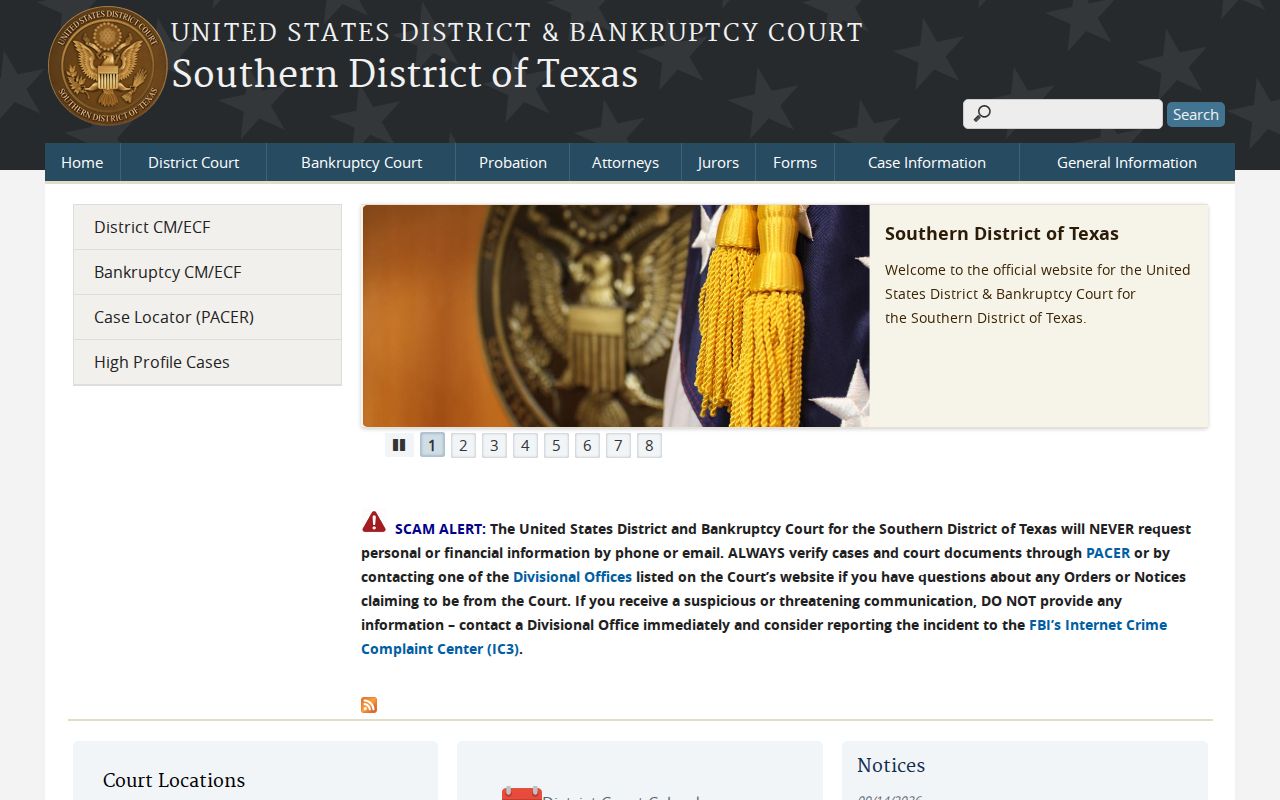
McMullen County belongs to Laredo, not this division. The Corpus Christi Division page identifies a separate federal court office.
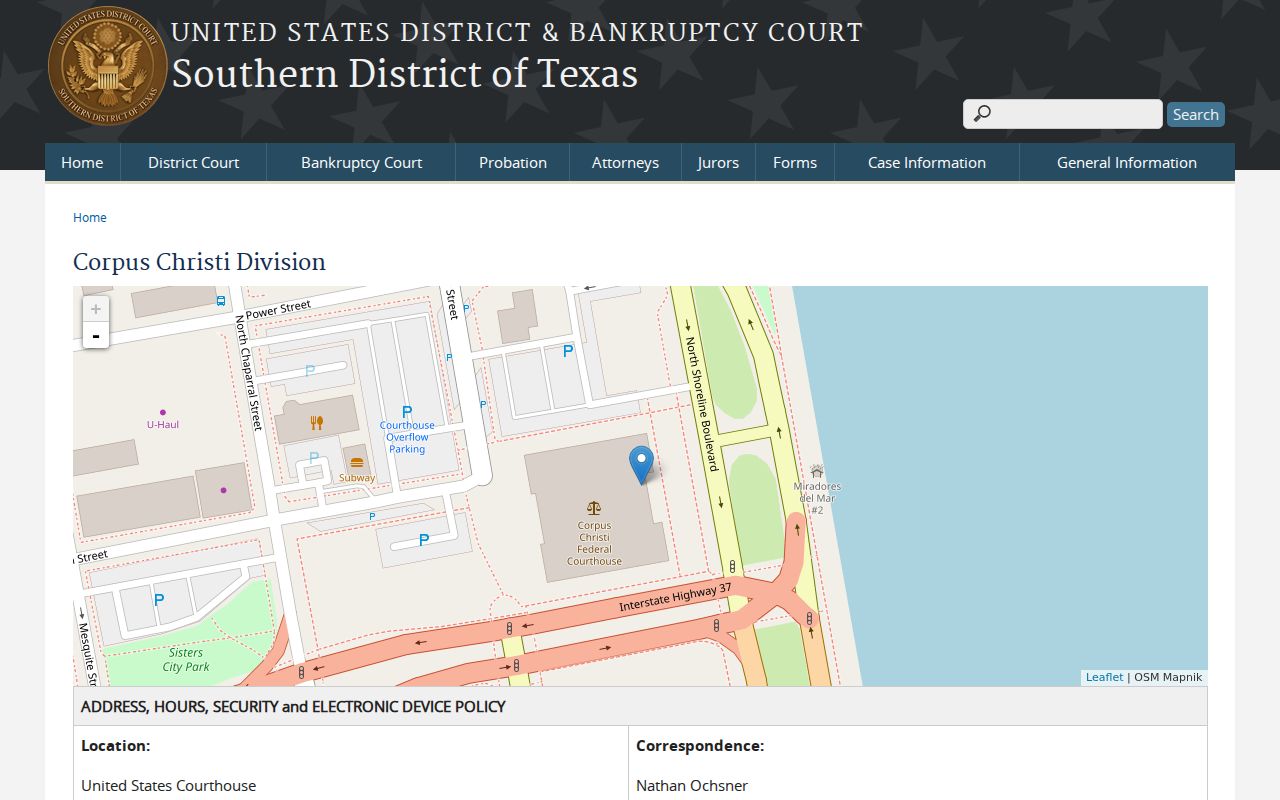
That page is a regional comparison and does not replace the Laredo Division route.
Juvenile Warrant Access in McMullen County
Juvenile warrant access in McMullen County turns on the record and the law covering it. Texas Judicial Branch policy treats an arrest warrant and its supporting affidavit, once presented to a magistrate, as public information. Other exceptions can still apply. A juvenile arrest warrant is different. So is the supporting complaint or affidavit. Family Code §58.010 makes both confidential. Access goes only to limited authorized people. A public-record request may come back redacted, withheld, or referred to another office. A missing entry proves nothing either way. Ask the court or the District Clerk which rule fits the case, and whether a parent, lawyer, or other authorized person may request it. The Texas Family Code Chapter 58, including §58.010 sets out the confidentiality rule on the official statute site.
This statute limits public access to juvenile arrest-warrant records and supporting material.
Handling an Arrest Warrant in Your Name
If an arrest warrant might carry your name, talk to a licensed Texas attorney first. Identify the court before you appear anywhere. Ask the lawyer or clerk about voluntary surrender, bond, the right office, identification, and the next case date. McMullen County publishes no local bond schedule, walk-through procedure, or guaranteed surrender window. No jail address is posted either. Don't assume paying a fee recalls the warrant. Nor does filing a reset request, necessarily.
Call the issuing court or sheriff before appearing, and get current instructions about surrender, bond, and the agency holding the order.
Once the court acts, confirm the sheriff got the update. Also ask whether the underlying case remains open. For the wider county route, return to McMullen County warrant records.